Mortgage Rates
Mortgage Rates Fell to 7.24%: What Could That Save a Buyer?
The 30-year average eased to 7.24%. Here is what that change could mean for payments—and why the headline is only part of the story.
TL;DR
- • Freddie Mac reported a 7.24% average 30-year fixed rate on October 29, 2026, down from 7.32% a week earlier.
- • A small rate decline can help, but it may not transform affordability by itself.
- • Compare the full payment and lender costs instead of waiting for a perfect headline rate.
Mortgage rates dipped, but remain elevated
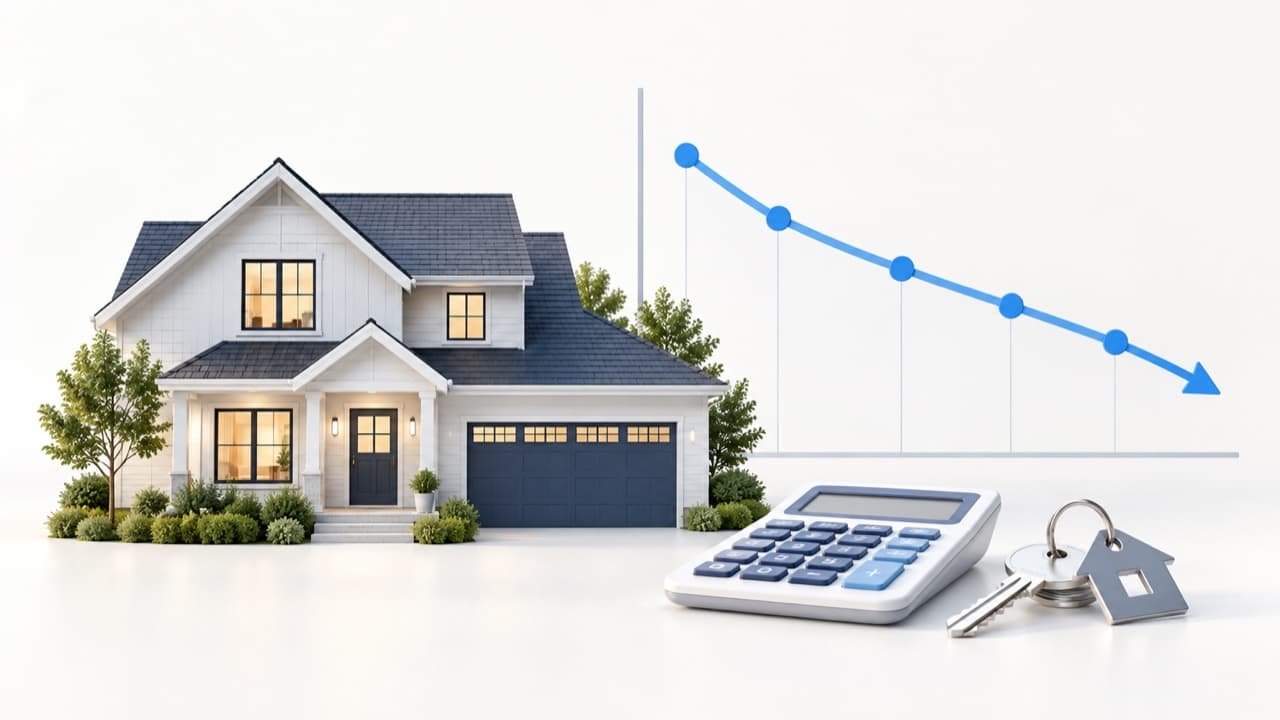
Freddie Mac's weekly survey put the average 30-year fixed mortgage at 7.24% on October 29, down eight basis points from the prior week. The 15-year average was 6.60%. That was a welcome move for buyers after a volatile stretch, but the 30-year average was still above the 6.17% recorded one year earlier.
The survey is a national average based on thousands of conventional purchase applications. Your quote can be higher or lower depending on credit, down payment, loan type, property, points, and lender pricing.
What an eight-basis-point drop may save
Consider a $400,000 home with 10% down, producing a $360,000 starting loan balance. On a 30-year fixed loan, moving from 7.32% to 7.24% lowers principal and interest by roughly $20 per month. That is useful, but it is smaller than many buyers expect when they see a rate-drop headline.
A half-percentage-point change is more noticeable. On the same loan, the difference can be a little over $120 per month. Taxes, insurance, mortgage insurance, HOA dues, and maintenance would still be added to either payment.
Lower rates do not automatically mean a cheaper purchase
When rates improve, more buyers may re-enter the market. In a neighborhood with limited inventory, stronger demand can reduce negotiating room or put pressure on prices. A slightly lower payment can disappear if the purchase price rises or a seller stops offering concessions.
Treat the rate as one input, not the whole affordability decision. Keep a maximum total monthly housing cost and a separate cash-to-close limit before comparing homes.
AffordSimple calculator
Test the rate against your budget
Change the home price, down payment, rate, taxes, and insurance to see the complete estimated payment.
Calculate my payment →The smarter way to compare mortgage quotes
Request estimates from multiple lenders using the same loan type, down payment, lock period, and points. A low advertised rate may require upfront discount points, while a slightly higher rate may preserve cash for closing costs or emergency savings.
- Compare annual percentage rate, lender fees, points, and cash to close.
- Ask whether the rate is locked and how long the lock lasts.
- Recalculate the total payment with realistic taxes and insurance.
- Do not drain reserves solely to reach a lower quoted rate.
Bottom line
The latest decline modestly improved purchasing power, but it did not make every home suddenly affordable. Run the actual home price and your likely rate through a full-payment calculator, then compare that result with the monthly amount you can comfortably sustain.
Sources and methodology
Market figures are sourced from the publications below. Examples are illustrative and are not loan quotes or financial advice.